The 10KITSM Peptide User Guide · Version 1.0Download PDF
10KITSM10kitsm.com
User guide · Version 1.0
The Peptide User Guide
Dosing, reconstitution and safe handling for every product we stock. Written so a first vial is not frightening, and so the numbers are still there when you already know what you are doing.
Products covered16
UpdatedAugust 2026
Supplied forLaboratory & research use
Part one
Getting started
Everything that applies to every product: what to buy, how to mix a vial, how to work out a dose, how to inject it and how to store it.
Before you begin
Read this before you use anything in this guide
This guide exists because customers kept asking the same questions and deserved a straight answer instead of a shrug. It sets out, in plain terms, the doses and protocols that appear in published clinical trials and in established clinical practice for each product we stock.
It is not medical advice and it is not a substitute for a doctor. We have never met you. We do not know your medical history, your bloodwork, your medications or your goals. A guide cannot do what a consultation does.
Most of the compounds listed here are Schedule 4 (prescription-only) substances in Australia. Two of them, retatrutide and SLU-PP-332, are not approved for human use anywhere in the world. Everything we sell is supplied for laboratory and research use. What you do with it is your decision and your responsibility, and the sensible version of that decision involves a clinician who can order bloods and follow you over time.
If you take one thing from this page
Start at the lowest dose listed, not the highest.
Almost every bad experience people report with peptides comes from starting too high, escalating too fast, or stacking several compounds at once before knowing how any single one affects them.
Stop and seek medical attention if you experience
Severe abdominal pain that persists or radiates through to your back — this can indicate pancreatitis and is the most serious risk associated with the GLP-1 class.
Any sign of an allergic reaction: rash, hives, swelling of the face, lips or tongue, wheezing or difficulty breathing. Treat this as an emergency.
An injection site that becomes hot, hard, spreading-red or produces discharge — that is an infection, not a normal reaction.
Persistent vomiting, or an inability to keep fluids down for more than 24 hours.
Chest pain, or a racing heart rate that does not settle at rest.
Sudden changes to your vision.
New lumps, or existing lumps that change rapidly — particularly in the neck.
Six things. Most of it is available from an Australian pharmacy without a prescription, and the whole kit costs less than a single vial.
Item
Why
Bacteriostatic water, 10 mL
The 0.9% benzyl alcohol is the preservative that makes repeat needle entry safe. Not interchangeable with sterile water.
U-100 insulin syringes, 29-31 G, 8 mm
The 100-unit scale is what every dose in this guide is calculated against. An 8 mm needle is right for subcutaneous injection.
A 3 mL syringe with a 21-23 G needle
Optional, but drawing several millilitres of water through an insulin needle is slow. A larger needle makes reconstitution quicker.
Alcohol swabs
Two per injection: one for each vial stopper, one for the skin.
A sharps container
A rigid, puncture-proof container. Australian pharmacies and councils accept full ones. Never put needles in household rubbish.
Fridge space at 2-8 degrees C
On a shelf, not in the door. The door swings several degrees every time it opens.
Part one · Getting started
Reconstituting a vial
Adding liquid to freeze-dried powder so it can be measured and injected. It takes about two minutes, and there are only two ways to get it badly wrong: shaking the vial, and losing track of how much water you added.
1
Bring the vial to room temperature
Take it out of the fridge about 20 minutes beforehand. Cold powder dissolves slowly and unevenly.
2
Tap the powder down
Flick the vial gently so the powder settles at the bottom rather than clinging to the stopper. Lyophilised peptide is light and often sits high in the vial after shipping.
3
Swab both stoppers
Wipe the rubber top of the peptide vial and the bacteriostatic water vial with alcohol. Let them air dry — injecting through wet alcohol stings and defeats the point.
4
Equalise the pressure
Pull the syringe plunger back to your target volume with air, inject that air into the bacteriostatic water vial, then invert and draw your water. This stops the vacuum that otherwise fights you.
5
Run the water down the wall
Insert the needle into the peptide vial at an angle so the stream hits the glass, not the powder. Firing water directly into the powder shears the peptide.
6
Swirl, never shake
Let it sit for 30-60 seconds, then roll the vial gently between your palms. Shaking breaks peptide bonds and whips the solution into foam. This is the single most common mistake.
7
Check it is clear
Wait until the solution is completely clear. Some peptides take several minutes. If it is still cloudy, or has visible particles after 10 minutes, do not use it.
8
Label the vial
Write the contents, how much water you added, the resulting concentration and the date. In four weeks you will not remember, and guessing a concentration is how people take ten times the dose they intended.
9
Refrigerate
Straight into the fridge at 2-8 degrees C once mixed.
Step 6 matters most
Shaking is the single most common mistake, and it is invisible: the solution looks fine and simply does less than it should. Roll, do not shake.
Part one · Getting started
The dosing maths
Insulin syringes are marked in units, not milligrams. Four lines of arithmetic turn one into the other — and every product entry in Part two has already done it for you.
A U-100 insulin syringe holds 1 mL, marked as 100 units. One unit is 0.01 mL.
Micrograms per unit = (vial size in mg divided by mL of water added) multiplied by 10.
Less water gives a stronger solution, so each dose is fewer units — but small doses become harder to measure accurately. More water is easier to measure precisely at the cost of a larger injection volume.
Anything above about 50 units (0.5 mL) is an uncomfortably large subcutaneous injection. Split it across two sites or inject intramuscularly.
Worked example
You have a 10 mg vial and you add 2 mL of bacteriostatic water. 10 mg divided by 2 mL = 5 mg per mL. 5 multiplied by 10 = 50 micrograms per unit. A 250 mcg dose is therefore 250 divided by 50 = 5 units on the syringe.
Every product entry in Part two gives you a recommended water volume and the resulting micrograms per unit, so in practice you can read the dose straight off the table without doing any arithmetic yourself.
Part one · Getting started
Video walkthroughs
Reading about this is less useful than watching it once. These are independent tutorials — we have no affiliation with any of them.
Reconstitution
Reconstituting Your Peptides — Self Administration (A Tutorial)
Travis Thurston, ND
The clearest end-to-end walkthrough. Start here if you have never done this before.
Choose a site and swab it. Let the alcohol dry completely.
3
Draw your dose. Tap out any large air bubbles — tiny ones are harmless in subcutaneous tissue and are not worth chasing.
4
Pinch up a fold of skin between thumb and finger.
5
Insert the needle at 90 degrees if you have a reasonable layer of subcutaneous fat, or 45 degrees if you are lean.
6
Depress the plunger slowly and steadily. Fast injection is what makes a site sting.
7
Withdraw the needle, release the pinch, and press lightly with a clean swab. Do not rub.
8
Put the needle straight into the sharps container. Never recap it.
Part one · Getting started
Sites and rotation
Lower abdomen, at least two finger-widths (about 5 cm) away from the navel. The most reliable site for most people.
Outer thigh, the fleshy area on the front and outside.
Upper outer buttock.
Back of the upper arm — awkward to reach on yourself.
Rotate properly
Divide each zone into a grid and work through it systematically. Do not return to the same spot within two to three days. Injecting repeatedly into one place causes lipodystrophy: permanent dents in the fat layer that also stop the compound absorbing properly.
Part one · Getting started
Storage and shelf life
Stage
What to do
Unopened powder
Refrigerate at 2-8 degrees C, away from light. Most lyophilised peptides survive shipping at ambient temperature perfectly well, but they belong in the fridge as soon as they arrive. For storage beyond six months, use the freezer.
After reconstitution
Fridge at 2-8 degrees C, always. Twenty-eight days is the working limit. That number comes from USP guidance on how long a preservative can be relied on in a repeatedly punctured multi-dose vial, not from the peptide degrading on day twenty-nine — but it is the right rule to follow.
An insulated pouch with a cold pack is enough. A few hours at room temperature will not ruin a reconstituted vial, but do not leave one in a hot car.
When to throw it out
Cloudiness, discolouration, floating particles, or any uncertainty about how long it has been open. A discarded vial costs less than an infection.
Part two
The products
One entry for each of the 16 products we stock. Doses are given both as an amount and as units on a standard U-100 insulin syringe, calculated against the water volume recommended in the same entry.
01Recovery and repairBPC-157 + TB-500
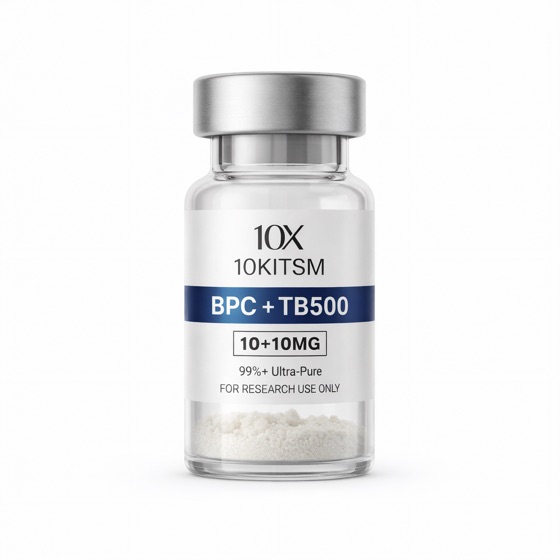
BPC-157 + TB-500
The most widely used tissue-repair pairing, combining a gastric pentadecapeptide with a thymosin beta-4 fragment.
WADA prohibited
20 mg blend (10 mg + 10 mg)
Water to add4 mL
Per unit50 mcg
Standard daily dose10 units
Acute injury, first 2 weeks20 units
U-100 syringe10 units
What it is
BPC-157 is a fifteen-amino-acid peptide derived from a protective protein found in gastric juice. TB-500 is a synthetic fragment of thymosin beta-4. They are paired because they attack the repair problem from two different directions: BPC-157 drives angiogenesis and upregulates growth factor receptors, while TB-500 acts on actin to promote cell migration into the damaged area. One builds the blood supply, the other moves the cells.
What the evidence actually shows
Extensive animal data, essentially no controlled human trials. BPC-157 has been studied in rodents for tendon-to-bone healing, ligament repair, gastrointestinal lesions and nerve regeneration with consistently positive results. The absence of human trials is the honest limitation here — the safety record in people is anecdotal rather than measured.
How to use it
Inject 10 units once daily. For an acute injury, run 20 units daily for the first two weeks and then drop back to 10. Where the injury is localised and reachable, inject as close to the site as is practical — the compound distributes systemically regardless, but proximity appears to help.
Reported benefits
Accelerated healing of tendon, ligament and muscle injuries in animal models — the strongest and most consistent finding in the literature.
Gut protection and repair. BPC-157 was originally characterised for gastric ulcer healing and remains most convincing there.
Reduced inflammation around an injury site.
Improved recovery between training sessions, which is the reason most people buy it.
Timing
Any time of day. Consistency matters more than timing with this one.
Cycle
Four to six weeks for an acute injury. Eight to twelve weeks for something chronic, then four weeks off.
Vial lasts
Forty days at 10 units daily, or twenty days at 20 units. Plan the cycle so the vial is finished inside the four-week window after mixing.
Side effects
Mild redness or itching at the injection site
Occasional light-headedness in the first few minutes
Mild nausea, uncommon
Do not use if
Active or suspected cancer — both peptides promote angiogenesis, and anything that builds blood supply is a theoretical risk where a tumour is present
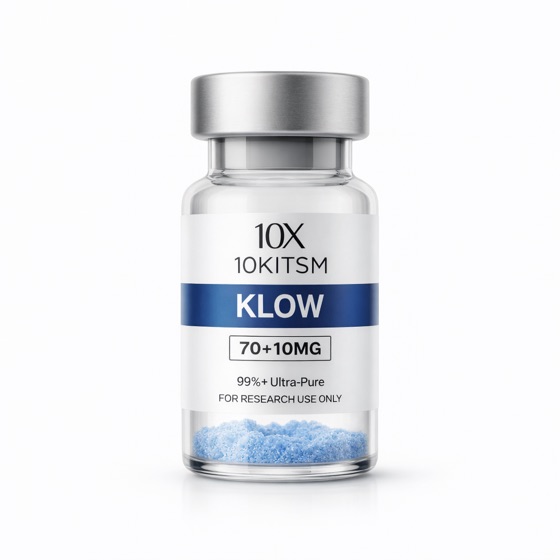
A four-peptide cosmetic and repair blend in the GLOW family, built around GHK-Cu.
WADA prohibited
80 mg blend
Water to add5 mL
Per unit160 mcg
Starting dose15 units
Standard dose20 units
Upper end25 units
U-100 syringe20 units
What it is
KLOW combines a copper peptide with repair and anti-inflammatory peptides in a single vial. The conventional formulation is GHK-Cu for collagen and matrix remodelling, BPC-157 and TB-500 for angiogenesis and cell migration, and KPV — a tripeptide fragment of alpha-MSH — for its anti-inflammatory action. The intent is layered: rebuild the matrix, supply it with blood, move cells in, and keep inflammation down while it happens.
What the evidence actually shows
Each component has its own literature — GHK-Cu is well studied in dermatology, BPC-157 and TB-500 in animal repair models, KPV in inflammatory bowel research. The blend itself has not been trialled as a combination. You are relying on the parts, not the whole.
How to use it
Start at 15 units daily for the first week to check tolerance, then move to 20 units daily. Inject subcutaneously. For cosmetic and skin goals, some people inject into the subcutaneous layer of the target area rather than a general site.
Reported benefits
Skin quality: firmness, texture and hydration, driven mainly by the GHK-Cu component.
Faster wound and soft-tissue healing.
Reduced local inflammation, which is the KPV contribution.
Hair follicle stimulation, reported with copper peptides generally.
Timing
Evening is conventional, mainly because the copper peptide can sting and you will not care about that in bed.
Cycle
Four to eight weeks, then four weeks off. The copper component is the reason for the break.
Vial lasts
About twenty-five days at 20 units daily, which fits neatly inside the four-week window after mixing.
Side effects
Stinging on injection — the copper peptide is responsible and it is normal
A blue-green tint to the reconstituted solution, which is the copper and is expected
Temporary redness at the site
Do not use if
Wilson disease or any disorder of copper metabolism
Active cancer
Pregnancy or breastfeeding
Worth knowing
Check your vial label or certificate of analysis for the exact split between components. Blend ratios vary between suppliers, and the per-component dose you are taking depends entirely on that ratio.
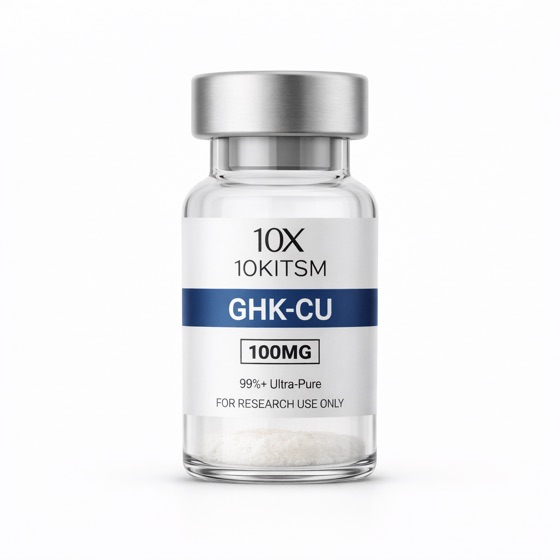
A copper-binding tripeptide found naturally in plasma, and one of the best-studied compounds in this guide.
100 mg
Water to add5 mL
Per unit200 mcg
Weeks 1-25 units
Week 3 onward10 units
Wound healing or hair15 units
U-100 syringe10 units
What it is
GHK-Cu is a complex of the tripeptide glycyl-L-histidyl-L-lysine with a copper ion. It occurs naturally in human plasma and its concentration falls sharply with age — roughly a two-thirds decline between twenty and sixty. It works partly by delivering copper to cells and partly as a signalling molecule in its own right, influencing the expression of a very large number of genes involved in tissue remodelling and antioxidant defence.
What the evidence actually shows
Strong dermatological literature going back decades, including human topical studies showing measurable improvements in skin density and wrinkle depth. Injectable use is far less well studied than topical use — most of the good human evidence is for creams and serums.
How to use it
Inject 5 units daily for the first two weeks, then increase to 10 units daily. Run five days on and two days off. For skin goals, 1-2 mg daily is sufficient; wound healing and hair protocols run at the higher end.
Reported benefits
Increased collagen and glycosaminoglycan synthesis, which is the mechanism behind its reputation for skin firmness.
Improved skin texture, elasticity and hydration.
Wound healing and scar remodelling.
Hair follicle stimulation and increased follicle size.
Antioxidant and anti-inflammatory activity.
Timing
Before bed. It stings, and sleeping through the tail end of that is pleasant.
Cycle
Four to twelve weeks on, followed by a full four weeks off. The break is not optional — it is there to prevent copper accumulation.
Vial lasts
A 100 mg vial at 2 mg five days a week covers roughly ten weeks of dosing, which is longer than reconstituted solution should be kept. Plan for one eight-week cycle per vial and accept a small amount of waste, or split the vial with a training partner at the point of reconstitution.
Side effects
Stinging or burning on injection, which is characteristic
Temporary redness at the site
Occasional metallic taste
Very rarely, a temporary blue-grey tint to the skin at the injection site
Do not use if
Wilson disease or any copper metabolism disorder
Active cancer
Pregnancy or breastfeeding
Worth knowing
GHK-Cu is also effective topically, and topical use has considerably better human evidence behind it than injection. If your goal is purely cosmetic skin improvement, a topical preparation is a legitimate and lower-risk route.
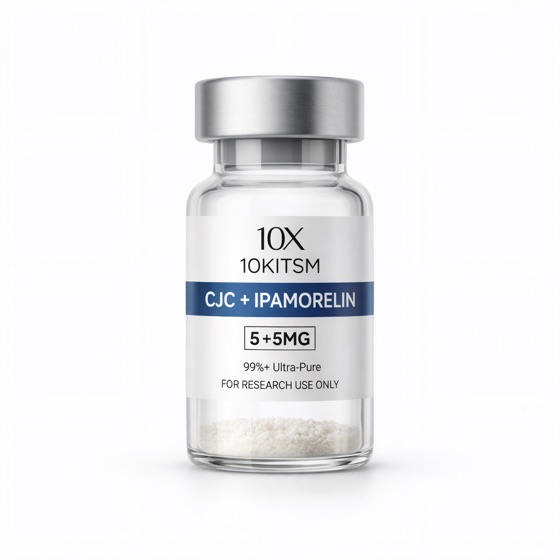
The standard growth hormone secretagogue pairing — one raises the pulse, the other triggers it.
WADA prohibited
10 mg blend (5 mg + 5 mg)
Water to add2 mL
Per unit50 mcg
Starting dose4 units
Standard dose8 units
Upper end12 units
U-100 syringe8 units
What it is
These two work on separate receptors, which is the entire reason they are combined. CJC-1295 is a GHRH analogue: it binds the growth hormone-releasing hormone receptor on the pituitary and increases how much GH is available to release. Ipamorelin is a ghrelin mimetic acting at GHS-R1a, which triggers the release itself. Used together the pulse is substantially larger than either produces alone. Ipamorelin is favoured over older secretagogues because it is selective — it does not meaningfully raise cortisol or prolactin.
What the evidence actually shows
GHRH analogues have solid pharmacological data showing sustained elevation of GH and IGF-1. Ipamorelin is well characterised for selectivity. What is thin is long-term outcome data in healthy adults — the pharmacology is established, the years-long consequences are not.
How to use it
Inject 8 units once nightly. Start at 4 units for the first week if you are new to secretagogues. Run five nights on, two nights off — the off nights exist to stop the pituitary desensitising.
Reported benefits
Increased natural growth hormone pulses and a raised IGF-1 baseline, without introducing exogenous GH.
Improved sleep quality, which is usually the first thing people notice and often within the first week.
Better recovery between training sessions.
Gradual improvement in body composition — modest, and slower than exogenous GH.
Skin and connective tissue quality over longer cycles.
Timing
At bedtime, and at least two hours after your last meal. This matters more than it sounds: circulating insulin and fatty acids blunt the GH pulse, so eating close to your injection wastes the dose. The largest natural GH pulse occurs in early deep sleep, and the point is to land on top of it.
Cycle
Eight to twelve weeks, then four weeks off.
Vial lasts
Twenty-five doses at 8 units, which is five weeks at five nights per week.
Side effects
Water retention, particularly in the first fortnight
Tingling or numbness in the hands
A brief head rush or facial flushing in the minutes after injecting
Vivid dreams
Increased appetite, though less than with older secretagogues
Itching at the injection site
Do not use if
Active cancer — raising IGF-1 where a tumour is present is a genuine concern, not a theoretical one
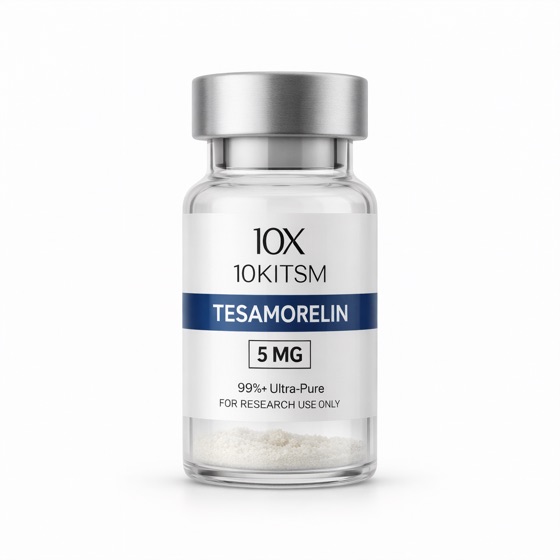
A stabilised GHRH analogue, and the only compound here with a specific approved indication for fat reduction.
WADA prohibited
5 mg
Water to add1 mL
Per unit50 mcg
Reduced-cost protocol20 units
Label dose40 units
U-100 syringe40 units
What it is
Tesamorelin is a synthetic GHRH analogue stabilised against enzymatic breakdown. It is approved in the United States, under the brand name Egrifta, for reducing excess abdominal fat in HIV patients with lipodystrophy. It is the only GH-axis compound in this guide with a regulator-approved fat-reduction indication, which makes its clinical evidence considerably better than its peers.
What the evidence actually shows
The best-evidenced compound in this section. Multiple Phase III trials, an FDA approval, and published liver-fat outcomes. The caveat is that all of it was generated in HIV-associated lipodystrophy, and extrapolating to a healthy population is an assumption rather than a finding.
How to use it
Inject 40 units once daily into the abdomen — that is the 2 mg dose used in the approved protocol and in every trial. Many people run 1 mg (20 units) daily instead, purely on cost grounds, accepting a slower and smaller result.
Reported benefits
Reduction in visceral adipose tissue — the deep abdominal fat around the organs, which is the metabolically dangerous kind. Phase III trials showed a 15-18% reduction over 26 weeks.
Reduced liver fat. A trial in HIV-positive patients with fatty liver showed a median 5.3% reduction in liver fat at twelve months against a 3.6% increase on placebo.
Raised IGF-1 and the general benefits of an elevated GH axis.
Notably, it is weight-neutral. It redistributes fat rather than reducing scale weight, which surprises people who expect it to behave like a GLP-1.
Timing
Once daily, and consistency of timing matters less than not missing days. Most people inject before bed.
Cycle
Trials ran 26 to 52 weeks. Visceral fat returns once the compound is stopped, so this is a long commitment rather than a short cycle.
Vial lasts
Be aware before you buy: at the 2 mg label dose a 5 mg vial lasts two and a half days. At 1 mg daily it lasts five. Tesamorelin is by some distance the most expensive compound per week in our range, and running it properly means budgeting for continuous supply rather than a single vial.
Side effects
Joint pain and muscle aches
Swelling and fluid retention, particularly hands and feet
Tingling or numbness in the extremities
Injection site redness — common, and more so than with other peptides here
Raised blood glucose and reduced insulin sensitivity
Do not use if
Active cancer
Pregnancy or breastfeeding
Any history of pituitary tumour or pituitary surgery
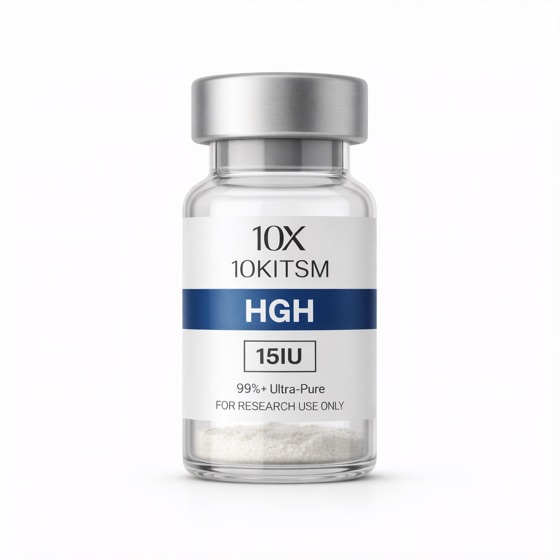
Recombinant human growth hormone. The direct approach, with the largest effect and the largest downside.
WADA prohibitedHigher risk — read carefully
15 iu (approximately 5 mg)
Water to add1.5 mL
Per unit0.1 iu
Starting dose10 units
Common maintenance20 units
Upper end30 units
U-100 syringe20 units
What it is
Somatropin is a recombinant version of the 191-amino-acid protein your pituitary produces. Unlike the secretagogues, it does not ask your body to make more GH — it introduces GH directly, which means it works regardless of pituitary function and produces effects the secretagogues cannot match. It also means it bypasses every feedback mechanism your body uses to keep GH in a sane range, which is where the risks come from.
What the evidence actually shows
GH is one of the most thoroughly characterised hormones in medicine, with decades of clinical use in genuine deficiency. What is far less established is the benefit-to-harm ratio in people with normal GH production. In that group, the expected benefits are uncertain and the side effect risk is real.
How to use it
Start at 10 units (1 iu) nightly for two to four weeks. Increase by 5 units (0.5 iu) per month if tolerated. Most people settle between 1 and 3 iu daily. Do not start at 4 iu because a forum said so — side effects are strongly dose-dependent and starting high is how people end up with carpal tunnel and swollen ankles in week two.
Reported benefits
Increased lean mass and reduced fat mass, the most reliably documented effect.
Improved recovery and connective tissue repair.
Better skin quality and thickness.
Improved sleep and subjective energy in deficient individuals.
Raised IGF-1, substantially and predictably.
Timing
Before bed, away from carbohydrate. At doses above 2 iu, splitting into a morning and evening injection is better tolerated.
Cycle
Three to six months minimum for meaningful body composition change. GH is slow. Anyone promising results in four weeks is selling something.
Vial lasts
Seven and a half days at 2 iu daily.
Side effects
Fluid retention and puffiness, especially hands, feet and face
Carpal tunnel symptoms — tingling, numbness or pain in the hands
Joint and muscle aches
Insulin resistance and raised fasting glucose, which is dose-dependent and the most important long-term concern
Headaches
Worsening of existing sleep apnoea
At sustained high doses over years, coarsening of facial features and enlargement of hands, feet and internal organs
Do not use if
Active cancer — this is an absolute contraindication, not a caution
Proliferative diabetic retinopathy
Uncontrolled diabetes
Pregnancy or breastfeeding
Acute critical illness
Worth knowing
Genuine growth hormone deficiency is a diagnosable condition with a proper workup involving stimulation testing. If you suspect you have it, that pathway exists and leads to a prescription, monitoring and follow-up bloods. It is a better route than this one.
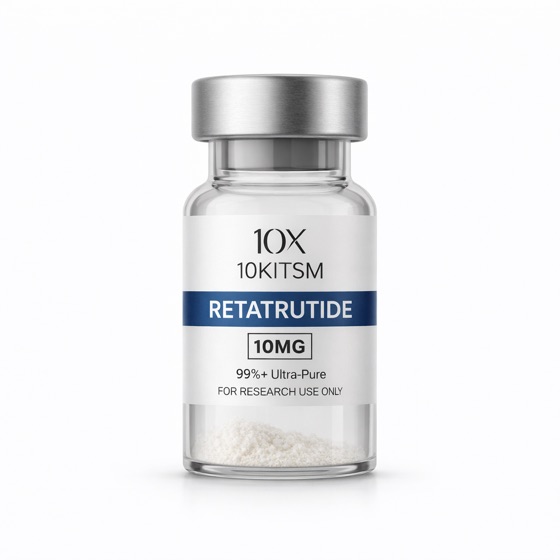
A triple GLP-1, GIP and glucagon receptor agonist, and the most effective weight-loss compound yet published.
WADA prohibitedHigher risk — read carefullyNot approved for human use
10 mg
Water to add1 mL
Per unit100 mcg
Weeks 1-410 units
Weeks 5-820 units
Weeks 9-1240 units
Weeks 13-1660 units
Weeks 17-2090 units
Week 21 onward120 units (split into two injections)
U-100 syringe20 units
What it is
Retatrutide activates three receptors at once. GLP-1 slows gastric emptying and suppresses appetite. GIP adds a complementary effect on insulin and appetite signalling. The glucagon component is what makes it distinct from tirzepatide and semaglutide — glucagon receptor activation raises energy expenditure rather than only reducing intake. It is an Eli Lilly molecule currently in Phase 3, approved nowhere in the world.
What the evidence actually shows
Published Phase 2 results in the New England Journal of Medicine (Jastreboff et al., 2023) and an ongoing Phase 3 programme. The efficacy data is genuinely strong. What does not yet exist is long-term safety data — no compound with this mechanism has been followed in humans for years, and the glucagon component in particular is novel.
How to use it
Once weekly, subcutaneously, on the same day each week. Follow the ladder above, which mirrors the Phase 3 TRIUMPH escalation. Do not skip steps and do not compress the timeline — the Phase 2 trial deliberately compared faster and slower escalation and found the slower ramp markedly better tolerated. If side effects are significant at any step, hold at that dose for another four weeks before moving up. Many people find their effective dose well below 12 mg and never need the top of the ladder.
Reported benefits
The largest weight reduction reported for any pharmacological agent to date: 24.2% mean body weight loss at 48 weeks on 12 mg in the Phase 2 trial, against 2.1% on placebo.
At 48 weeks on 12 mg, every participant lost at least 5% of body weight, 93% lost at least 10%, and 83% lost at least 15%.
Improvements across cardiometabolic markers: systolic and diastolic blood pressure, triglycerides, LDL and total cholesterol, HbA1c, fasting glucose and insulin.
Substantial reductions in liver fat in a separate Phase 2a trial in metabolic dysfunction-associated steatotic liver disease.
Timing
Same day each week. Time of day does not matter; pick one and keep it.
Cycle
This is not a cycled compound. Trials ran 48 weeks continuously. Weight returns after stopping, as it does with every drug in this class.
Vial lasts
Ten weeks at 1 mg, five weeks at 2 mg, two and a half weeks at 4 mg, and about a week at 8-9 mg. Discard reconstituted solution after four weeks regardless of what remains.
Making it go well
Eat protein deliberately. Rapid weight loss on this class costs lean mass, and resistance training plus adequate protein is the only thing that meaningfully protects it.
Hydrate. Reduced appetite reduces fluid intake too, and dehydration is behind a good share of the fatigue and headaches people report.
Eat smaller meals and stop earlier than feels natural. Gastric emptying is slowed, and overeating on this compound is genuinely unpleasant.
Severe abdominal pain radiating to the back means stop and get medical attention the same day.
Side effects
Nausea — reported by 47% of participants at 12 mg
Vomiting — 21% at 12 mg
Diarrhoea and constipation
Markedly reduced appetite
Fatigue
Increased heart rate, which peaks around week 24 and declines thereafter
Injection site reactions
Gastrointestinal effects are dose-related, mostly mild to moderate, worst during escalation, and tend to settle with continued dosing at a stable dose
Do not use if
Personal or family history of medullary thyroid carcinoma — absolute
Multiple Endocrine Neoplasia type 2 — absolute
Pregnancy, breastfeeding, or actively trying to conceive — absolute
History of pancreatitis — seek medical advice first
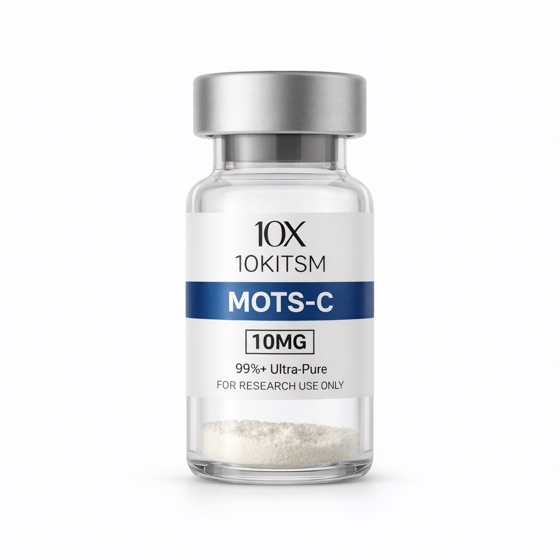
A mitochondrial-derived peptide that behaves like a metabolic stress signal.
10 mg
Water to add1 mL
Per unit100 mcg
Starting dose25 units
Standard dose50 units
U-100 syringe50 units
What it is
MOTS-c is encoded in mitochondrial DNA rather than nuclear DNA, which is unusual and part of why it attracted attention. It appears to act as a signal from the mitochondria to the rest of the cell, activating AMPK and shifting metabolism toward glucose utilisation and fatty acid oxidation. In effect it mimics some of the cellular signalling of exercise and caloric restriction.
What the evidence actually shows
Genuinely interesting mechanism, mostly animal data. Human dose-finding trials are sparse to non-existent, which means the doses below are inferred rather than established.
How to use it
Start at 25 units three times per week. Build toward 5-10 mg total per week split across two or three injections. Note that the weekly total is what matters here — protocols circulating that suggest 5-10 mg per injection five times weekly would consume five vials a week and are almost certainly a misreading.
Reported benefits
Improved insulin sensitivity and glucose handling in animal models.
Increased fatty acid oxidation.
Improved exercise capacity and endurance in rodent studies.
Reduced age-related metabolic decline in animal work — levels of endogenous MOTS-c fall with age.
Timing
Morning. Some people inject before training on the endurance rationale.
Cycle
Four to eight weeks, then four weeks off.
Vial lasts
One to two weeks at typical weekly totals. This is a fast-burning product.
Side effects
Mild injection site reaction
Occasional fatigue or flushing during the first week
Do not use if
Pregnancy or breastfeeding
Anyone wanting a compound with established human safety data — this is not it
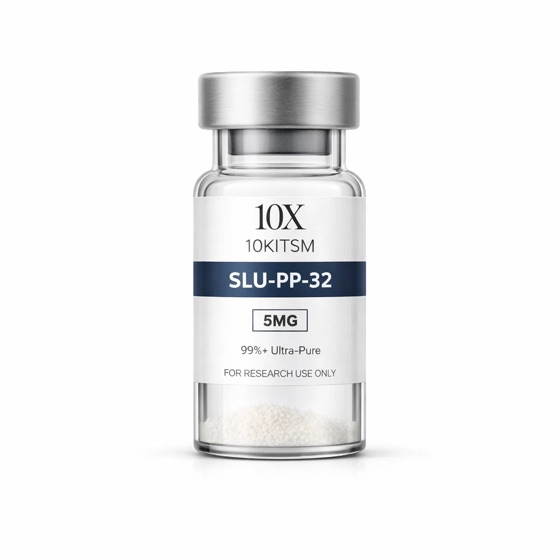
A pan-ERR agonist described as an exercise mimetic. The least-evidenced compound we stock.
Higher risk — read carefullyNot approved for human use
10 mg
Water to add2 mL
Per unit50 mcg
Weeks 1-2, twice daily12-13 units
Week 3 onward, twice daily25 units
U-100 syringe25 units
What it is
SLU-PP-332 is a small synthetic molecule rather than a peptide. It activates the estrogen-related receptors ERR-alpha, beta and gamma, with greatest potency at ERR-alpha. In mice it increases mitochondrial density, shifts muscle toward fatigue-resistant fibre types, improves endurance and reduces fat mass without the animal doing any additional exercise — hence the exercise mimetic label.
What the evidence actually shows
Read this part carefully. SLU-PP-332 has never been tested in a human being. There is no Phase 1 trial, no registered clinical study, no human safety data of any kind. Every human dosing protocol in circulation, including the one below, is extrapolated from mouse studies using body-surface-area conversions. Nobody knows what it does in people over months, and nobody knows what dose is safe. Of everything in this guide, this is the compound where the gap between enthusiasm and evidence is widest.
How to use it
Twice daily, subcutaneously. Start at 12 units twice daily for two weeks, then 25 units twice daily. The short half-life is why it is split rather than given once.
Reported benefits
Increased mitochondrial biogenesis in mouse muscle.
Improved endurance capacity in rodents — substantially so.
Fat mass reduction without changes in activity or food intake in animal studies.
Increased energy expenditure.
Timing
Morning and early afternoon. Avoid dosing late — increased energy expenditure and a raised heart rate do not help sleep.
Cycle
Four to eight weeks in the extrapolated protocols. There is no evidence base for the right cycle length because there is no evidence base at all.
Vial lasts
About eight days at 1.25 mg per day, or four days at 2.5 mg per day.
Side effects
Unknown in humans. In animal studies, increased heart rate and raised energy expenditure are consistent findings. Anything else is unmeasured.
Do not use if
Any cardiovascular disease or arrhythmia
Pregnancy or breastfeeding
Anyone unwilling to accept genuinely unknown risk — which is the honest framing for this compound
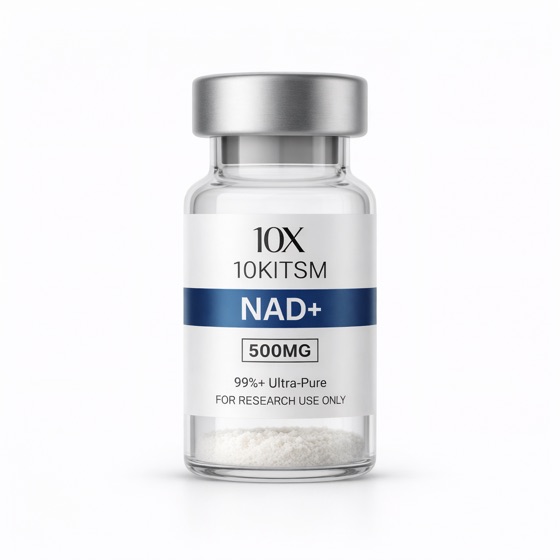
A coenzyme central to energy metabolism and DNA repair, and one that declines steeply with age.
500 mg
Water to add5 mL
Per unit1 mg
Starting dose25 units
Standard dose50 units
Upper end100 units (split across two sites)
U-100 syringe50 units
What it is
Nicotinamide adenine dinucleotide is a coenzyme present in every cell, required for the reactions that convert food into cellular energy and for the activity of the sirtuins and PARP enzymes involved in DNA repair. Tissue NAD+ falls substantially with age. Injecting it directly bypasses the conversion steps that oral precursors like NMN and NR depend on, which is the argument for the injectable route.
What the evidence actually shows
The biology of NAD+ decline is well established. What is less established is that raising it by injection produces durable clinical benefit in healthy people — most human data concerns oral precursors, and effects on subjective wellbeing are difficult to separate from expectation.
How to use it
Start at 25 units and build to 50-100 units over several weeks. Inject two to three times per week rather than daily.
Reported benefits
Improved energy and reduced fatigue — the most commonly reported subjective effect.
Mental clarity and focus.
Support for DNA repair pathways and sirtuin activity.
Improved recovery, and reduced perceived effects of jet lag and shift work.
Timing
Morning. It is stimulating for most people and will interfere with sleep if taken late.
Cycle
Three to four weeks of a loading pattern, then reduce to a maintenance frequency of once or twice weekly.
Vial lasts
Three to four weeks at 50 mg three times weekly.
Side effects
Significant stinging or burning at the injection site — this is normal for NAD+ and not a sign anything is wrong
Flushing
Nausea, chest tightness or light-headedness if injected too quickly
Do not use if
Pregnancy or breastfeeding
Low blood pressure — build up slowly
Worth knowing
Inject NAD+ more slowly than anything else in this guide. Thirty to sixty seconds for the full dose. Almost every unpleasant reaction people report comes from pushing the plunger too fast.
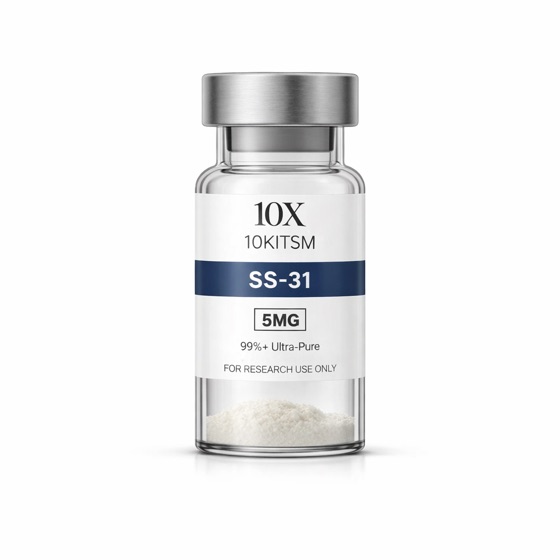
A mitochondria-targeted peptide that concentrates in the inner mitochondrial membrane.
10 mg
Water to add2 mL
Per unit50 mcg
Starting dose20 units
Standard dose40 units
Upper end50 units
U-100 syringe40 units
What it is
SS-31 selectively accumulates in the inner mitochondrial membrane where it binds cardiolipin, a phospholipid essential to the structure of the electron transport chain. Cardiolipin becomes disorganised and oxidatively damaged with age and disease; stabilising it improves the efficiency of energy production and reduces reactive oxygen species leakage. It is unusual among the compounds here in having a genuine regulatory approval — the FDA granted accelerated approval in 2025 for Barth syndrome, under the name Forzinity.
What the evidence actually shows
Better than most in this guide. Multiple clinical trials in mitochondrial myopathy, heart failure and Barth syndrome, and an accelerated FDA approval for a rare disease indication. The important gap is that all of it is in disease populations, not healthy people seeking a longevity effect.
How to use it
Inject 20-40 units once daily, five days per week. Be aware that clinical trials used 40 mg per day — twenty times the community dose. That gap exists because 40 mg daily would consume four vials a day, not because 2 mg has been shown equivalent. Do not read the trial dose as a target, and do not read the community dose as validated.
Reported benefits
Improved mitochondrial efficiency and reduced oxidative stress.
Improved exercise capacity — a Phase 2 heart failure trial showed improvements in six-minute walk distance.
Reduced fatigue in mitochondrial disease populations.
Cardiovascular and renal protective effects in preclinical models.
Timing
Morning.
Cycle
Four weeks, then reassess.
Vial lasts
Five to ten days at 1-2 mg daily.
Side effects
Injection site reactions — the most common finding across trials
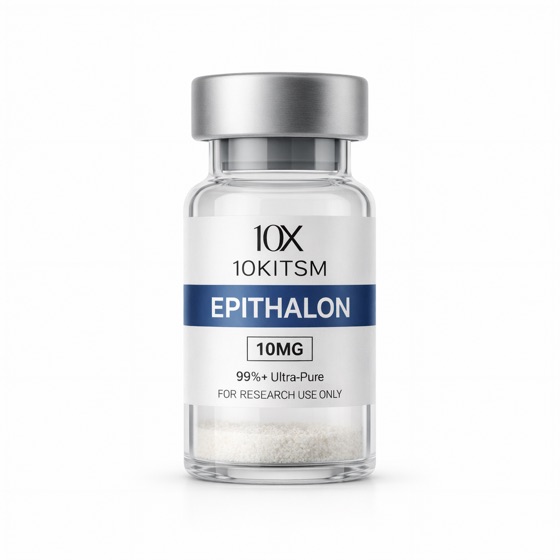
A four-amino-acid bioregulator studied for telomerase activation. Used in short annual courses rather than continuously.
10 mg
Water to add2 mL
Per unit50 mcg
Standard course dose20 units
Intensive course dose100 units
U-100 syringe20 units
What it is
Epithalon is a synthetic tetrapeptide developed from a pineal gland extract by Vladimir Khavinson in Russia. It is proposed to activate telomerase, the enzyme that maintains the protective caps on the ends of chromosomes. In cultured human cells it induced telomerase activity and increased telomere length by roughly 30%. It also appears to influence melatonin rhythms and pineal function.
What the evidence actually shows
The in vitro telomerase data is real. The human clinical evidence is almost entirely Russian, decades old, and difficult to evaluate against modern trial standards. Treat the longevity claims as unproven rather than disproven.
How to use it
Inject 20 units daily for ten consecutive days, then stop. Repeat the course two or three times per year. The intensive Russian protocol used 5-10 mg daily for ten to twenty days, which would require five to twenty vials per course — most people run the lighter version.
Reported benefits
Telomerase activation and telomere lengthening in cell culture.
Improved sleep quality and normalised melatonin rhythm, the most consistently reported subjective effect.
Antioxidant activity.
Long-term Russian cohort studies reported reduced mortality, though the methodology of that work would not meet current Western standards.
Timing
Evening, on the melatonin rationale.
Cycle
This is the one product here designed around short bursts rather than continuous use. Ten days on, then months off. The bioregulator theory holds that the peptide initiates a cascade of gene expression that persists well beyond dosing.
Vial lasts
Exactly one ten-day course at 1 mg daily. One vial, one course.
Side effects
Very few reported
Occasional drowsiness, consistent with the melatonin effect
Do not use if
Pregnancy or breastfeeding
Active cancer — telomerase activation in the presence of a tumour is a theoretical concern worth taking seriously
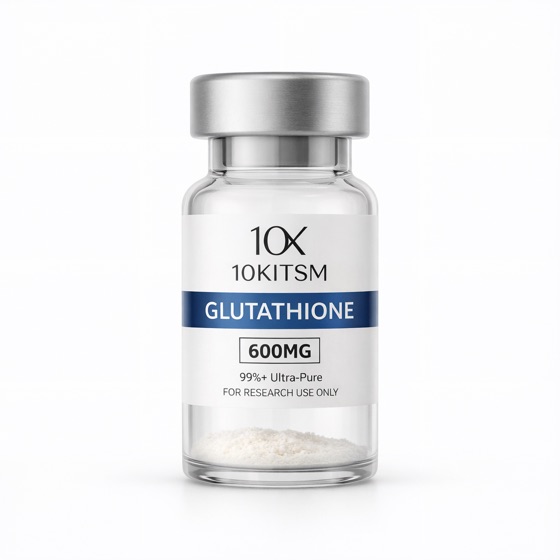
The body primary intracellular antioxidant, given by injection to bypass poor oral absorption.
600 mg
Water to add2 mL
Per unit3 mg
Standard dose67 units
Higher dose100 units
U-100 syringe67 units
What it is
Glutathione is a tripeptide of glycine, cysteine and glutamic acid, and the principal antioxidant operating inside cells. It neutralises reactive oxygen species, regenerates vitamins C and E, and is central to phase II liver detoxification. Oral glutathione is largely broken down in the gut, which is the entire rationale for injecting it.
What the evidence actually shows
The biochemistry is not in dispute. Clinical evidence for injected glutathione producing durable systemic benefit in healthy people is weak, and the skin-lightening use in particular has been the subject of safety warnings in several countries where it is administered at very high intravenous doses.
How to use it
Inject 67-100 units two to three times per week. Because the volumes are large, intramuscular injection into the deltoid or upper outer glute is more comfortable than subcutaneous for anything above about 50 units.
Reported benefits
Antioxidant capacity and reduction of oxidative stress.
Support for liver detoxification pathways.
Skin brightening and more even tone — the reason for much of its popularity, driven by inhibition of melanin production.
Immune function support.
Timing
Morning.
Cycle
Eight weeks on, two to four weeks off.
Vial lasts
Two to three doses. Glutathione is dosed in milligrams two orders of magnitude larger than most peptides here, so vials empty quickly.
Side effects
Stinging at the injection site
Occasional light-headedness
Rare skin reactions, reported mainly in the context of high-dose unregulated intravenous skin-lightening infusions
Do not use if
Asthma — rare reports of bronchospasm
Pregnancy or breastfeeding
Worth knowing
A faint yellow tint to the solution is normal. Discard it if it turns cloudy or noticeably darker.
05Hormonal and cognitiveHCG (Human Chorionic Gonadotropin)
HCG (Human Chorionic Gonadotropin)
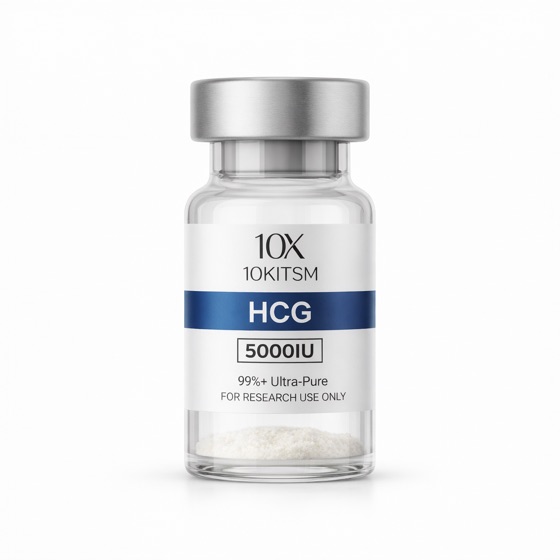
An LH analogue used to maintain testicular function and fertility, most often alongside testosterone therapy.
WADA prohibitedHigher risk — read carefully
5000 iu
Water to add5 mL
Per unit10 iu
Maintenance alongside TRT25 units
Standard maintenance50 units
Fertility restoration150 units (two injections)
U-100 syringe50 units
What it is
HCG mimics luteinising hormone closely enough to bind the same receptor on the Leydig cells of the testes. Exogenous testosterone shuts down the body own LH production, and without LH signalling the testes stop producing testosterone and sperm, and atrophy. HCG substitutes for the missing signal, keeping the testes working while someone is on testosterone therapy. Its half-life is around 33 hours, which is why it is dosed every two to three days rather than weekly.
What the evidence actually shows
Well established in clinical endocrinology and urology. HCG is a prescription medicine with a long history of legitimate use for hypogonadotropic hypogonadism and male infertility. Of everything in this guide, this is among the best understood.
How to use it
For maintaining testicular function alongside testosterone therapy, inject 25-50 units two to three times per week — Monday and Thursday is the usual split. Fertility restoration protocols run far higher, at 1500-3000 iu three times weekly, often combined with other agents, and genuinely need medical supervision and semen analysis to guide them.
Reported benefits
Maintains testicular size and function during testosterone therapy.
Preserves fertility and sperm production, which testosterone alone suppresses.
Maintains intratesticular testosterone, which is far higher than serum levels and not restored by injectable testosterone.
Used at higher doses to restore fertility after suppression.
Timing
Every two to three days, spaced evenly. The 33-hour half-life is what sets the frequency.
Cycle
Continuous, for as long as testosterone therapy continues.
Vial lasts
About five weeks at 500 iu twice weekly. Discard after four weeks in the fridge.
Side effects
Gynecomastia — HCG raises oestrogen through aromatisation, and this is the most common problem people run into
Acne
Mood changes and irritability
Water retention
Testicular discomfort in the first weeks, usually as the testes recover volume
Do not use if
Hormone-sensitive cancers, particularly prostate and breast
Precocious puberty
Pregnancy
Worth knowing
HCG is more fragile than the other compounds here. Refrigerate immediately after mixing and do not leave it at room temperature. Separately: the so-called HCG diet has been studied repeatedly and shown to produce no weight loss beyond the severe caloric restriction it is paired with. It is not a legitimate use of this compound.
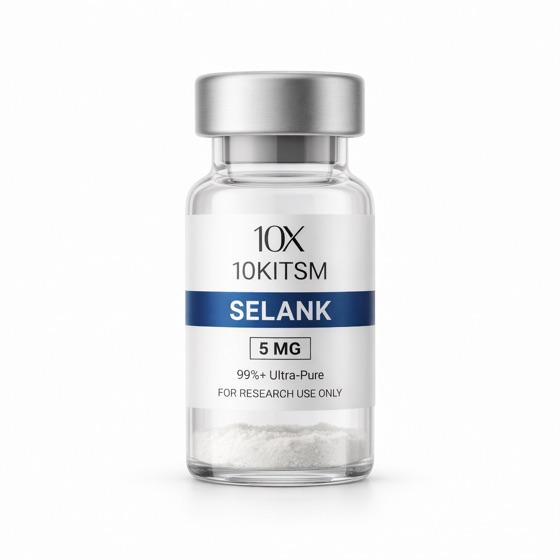
An anxiolytic peptide developed in Russia, notable for producing calm without sedation or dependence.
5 mg
Water to add2 mL
Per unit25 mcg
Intranasal, per dose10-12 units
Subcutaneous, daily20 units
Subcutaneous, low frequency40 units
U-100 syringe20 units
What it is
Selank is a synthetic analogue of tuftsin, an immunomodulatory peptide fragment, stabilised with a short amino acid tail. It modulates GABA and serotonin signalling and increases BDNF expression. Its distinguishing feature is that it produces anxiolysis without the sedation, cognitive dulling, tolerance or withdrawal associated with benzodiazepines — clinical studies found no dependence in evaluated subjects.
What the evidence actually shows
Reasonable Russian clinical literature on anxiety disorders, including comparisons against benzodiazepines. Very little Western trial data. The safety signal across what exists is good.
How to use it
Two routes work. Intranasally, 250-300 mcg two to three times daily, spaced four to six hours apart — draw the reconstituted solution into a clean nasal spray bottle and calibrate the spray volume. Subcutaneously, 20 units once daily in the morning, or 40 units two to three times per week. There are diminishing returns above roughly 500 mcg per intranasal dose, so more per spray does not help.
Reported benefits
Reduced anxiety without sedation.
Improved focus and mental clarity, often reported as the more valuable effect.
Better stress resilience.
Increased BDNF expression, associated with neuroplasticity.
Effects are typically felt within minutes to hours of an intranasal dose, which is unusual.
Timing
Morning and early afternoon. Doses spaced four to six hours apart when using a multi-dose schedule.
Cycle
Two to four weeks on, then a break. The low-frequency subcutaneous protocol runs eight weeks on, eight weeks off.
Vial lasts
About ten days at 500 mcg daily.
Side effects
Nasal stinging or dryness with intranasal use
Mild headache during the first few days
Injection site irritation
No tolerance, dependence or withdrawal observed in clinical studies
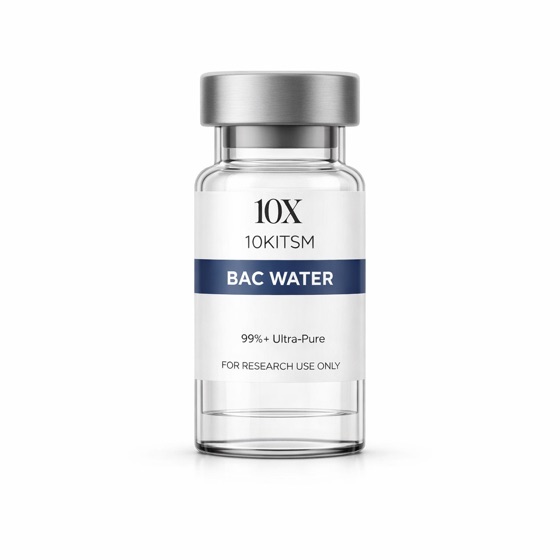
Sterile water with 0.9% benzyl alcohol. The preservative is the entire point.
10 mL
What it is
Bacteriostatic water is sterile water containing 0.9% benzyl alcohol as a preservative. That preservative inhibits bacterial growth, which is what makes it safe to puncture a vial repeatedly over several weeks. Plain sterile water has no preservative — once a vial of peptide is reconstituted with sterile water it should be used immediately or within 24 hours. For anything multi-dose, bacteriostatic water is the correct choice and the reason the 28-day rule exists at all.
What the evidence actually shows
Standard pharmaceutical diluent. Nothing controversial here.
How to use it
Use the volume specified for each peptide in this guide. Swab the stopper before every entry.
Reported benefits
Allows a reconstituted vial to be used across multiple doses over weeks rather than a single day.
Compatible with every peptide in this guide.
One 10 mL vial reconstitutes several peptide vials.
Vial lasts
A 10 mL vial covers several peptide reconstitutions. Once first punctured, treat it as good for 28 days.
Do not use if
Never use bacteriostatic water for a newborn — benzyl alcohol is toxic to neonates. This is the one absolute restriction on the diluent itself.
Worth knowing
Do not confuse bacteriostatic water with sterile water for injection, saline, or sterile water for irrigation. They are not interchangeable for multi-dose use.
Quick-reference dosing, the legal position in Australia and the EU, anti-doping status, and a glossary.
Part three · Reference
Quick reference
Typical dose is the standard protocol for each product, not the maximum, and assumes the water volume shown. Full detail is in Part two.
Product
Vial
Water
Per unit
Typical dose
How often
BPC-157 + TB-500
20 mg blend (10 mg + 10 mg)
4 mL
50 mcg
10 units
once daily
KLOW Blend
80 mg blend
5 mL
160 mcg
20 units
once daily
GHK-Cu (Copper Peptide)
100 mg
5 mL
200 mcg
10 units
daily, 5 days on / 2 off
CJC-1295 + Ipamorelin
10 mg blend (5 mg + 5 mg)
2 mL
50 mcg
8 units
nightly, 5 on / 2 off
Tesamorelin
5 mg
1 mL
50 mcg
40 units
once daily
HGH (Somatropin)
15 iu (approximately 5 mg)
1.5 mL
0.1 iu
20 units
once daily
Retatrutide
10 mg
1 mL
100 mcg
10 to 120 units
once weekly, titrated
MOTS-c
10 mg
1 mL
100 mcg
25-50 units
2-3x per week
SLU-PP-332
10 mg
2 mL
50 mcg
25 units
twice daily
NAD+
500 mg
5 mL
1 mg
50 units
2-3x per week
SS-31 (Elamipretide)
10 mg
2 mL
50 mcg
20-40 units
daily, 5 days per week
Epithalon
10 mg
2 mL
50 mcg
20 units
daily for 10 days, 2-3x a year
Glutathione
600 mg
2 mL
3 mg
67 units
2-3x per week
HCG (Human Chorionic Gonadotropin)
5000 iu
5 mL
10 iu
25-50 units
2-3x per week
Selank
5 mg
2 mL
25 mcg
20 units
once daily, or intranasal 2-3x daily
Part three · Reference
Legal and regulatory position
Context
Position
Australia
Most compounds in this guide are Schedule 4 (prescription-only) substances under the Poisons Standard. Retatrutide and SLU-PP-332 are not approved for human use anywhere in the world. The Personal Importation Scheme requires a valid Australian prescription for Schedule 4 medicines, and the TGA has been increasingly active on unapproved peptide products. Products are supplied for laboratory and research use.
European Union
Regulation varies by member state, but the equivalent prescription-only classifications apply across the bloc for the same compounds. Check your own national rules.
Tested athletes
Almost everything in this guide is on the WADA Prohibited List and banned at all times, in and out of competition. Growth hormone secretagogues, HGH, tesamorelin and HCG fall under S2 (peptide hormones and growth factors). BPC-157, TB-500, retatrutide and SLU-PP-332 fall under S0 (non-approved substances). Therapeutic Use Exemptions are generally not available for substances with no regulatory approval anywhere, because a TUE requires an approved therapeutic agent. If you compete in a tested sport, none of this is available to you.
This guide
Reference information compiled from published clinical trials and established clinical protocols. It is not medical advice, it does not create a practitioner relationship, and it is not a substitute for consulting a doctor who can examine you, order bloodwork and follow you over time.
Part three · Reference
Glossary
Lyophilised
Freeze-dried. The white powder or cake in the vial before you add water.
Reconstitution
Adding liquid to lyophilised powder to make an injectable solution.
Bacteriostatic water (BAC)
Sterile water with 0.9% benzyl alcohol preservative, used for multi-dose vials.
Subcutaneous (subQ)
Into the fat layer beneath the skin. The route used for almost everything in this guide.
Intramuscular (IM)
Into muscle. Used for larger volumes, absorbed faster.
U-100 syringe
An insulin syringe marked in 100 units per millilitre. One unit equals 0.01 mL.
iu (international unit)
A measure of biological activity rather than mass. Used for HGH and HCG.
mcg and mg
One milligram equals 1000 micrograms. Confusing the two is the most dangerous arithmetic error in peptide dosing.
Half-life
The time taken for half the compound to clear. It determines how often you need to dose.
Titration
Increasing the dose in planned steps to let side effects settle at each level before moving up.
Secretagogue
A compound that causes the body to secrete something — here, growth hormone.
GHRH
Growth hormone-releasing hormone. The upstream signal that tells the pituitary to release GH.
IGF-1
Insulin-like growth factor 1. Produced by the liver in response to GH, and responsible for many of its effects.
Lipodystrophy
Damage to the subcutaneous fat layer from repeated injection into the same spot. Causes permanent dents and impairs absorption.
Visceral adipose tissue (VAT)
Deep abdominal fat surrounding the organs. Metabolically distinct from, and more harmful than, subcutaneous fat.